Protect Students from Harmful Tech
One in five high schoolers is, or has a friend, who is in a romantic relationship with an AI chatbot.
This is not okay.
Our Demands
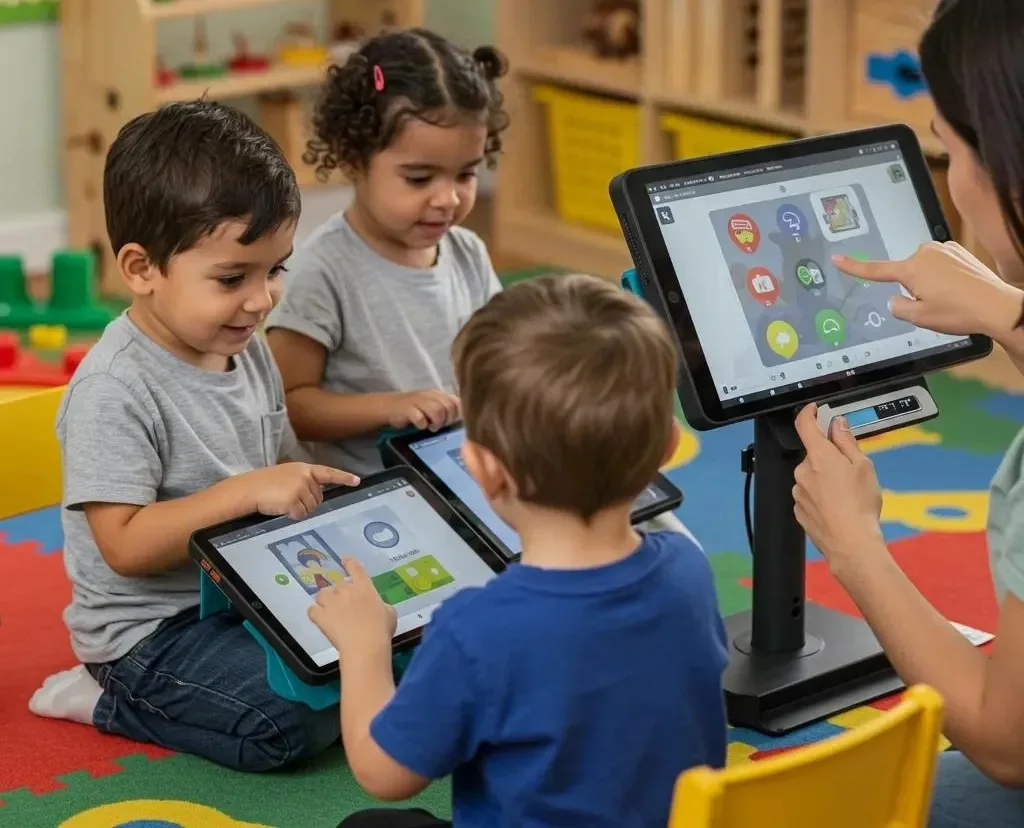
1. Eliminate screen based learning for students in preK - second grade.
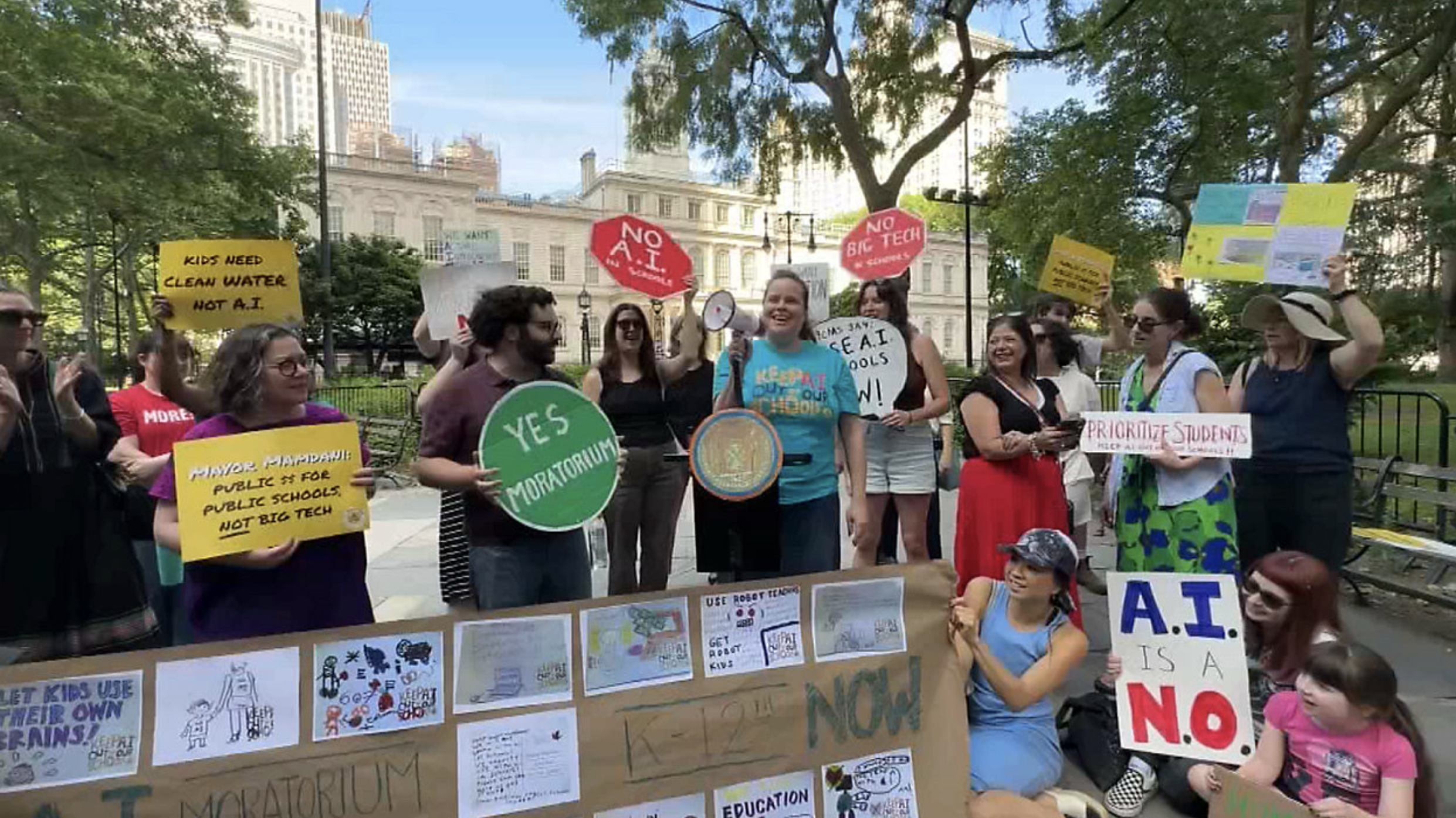
2. Establish a moratorium on student facing AI use in elementary schools, and ban on “social companion” chatbots until age 16.
3. Create transparent, robust systems of protection for student data and privacy surrounding the use of technology and AI in public schools.
Excessive Screen Time and Generative AI Harms Students
Excessive screen time causes attention issues, sleep difficulties, and increases anxiety and depression.
Now, rampant generative AI threatens to decrease cognitive processing skills and derail socioemotional development.
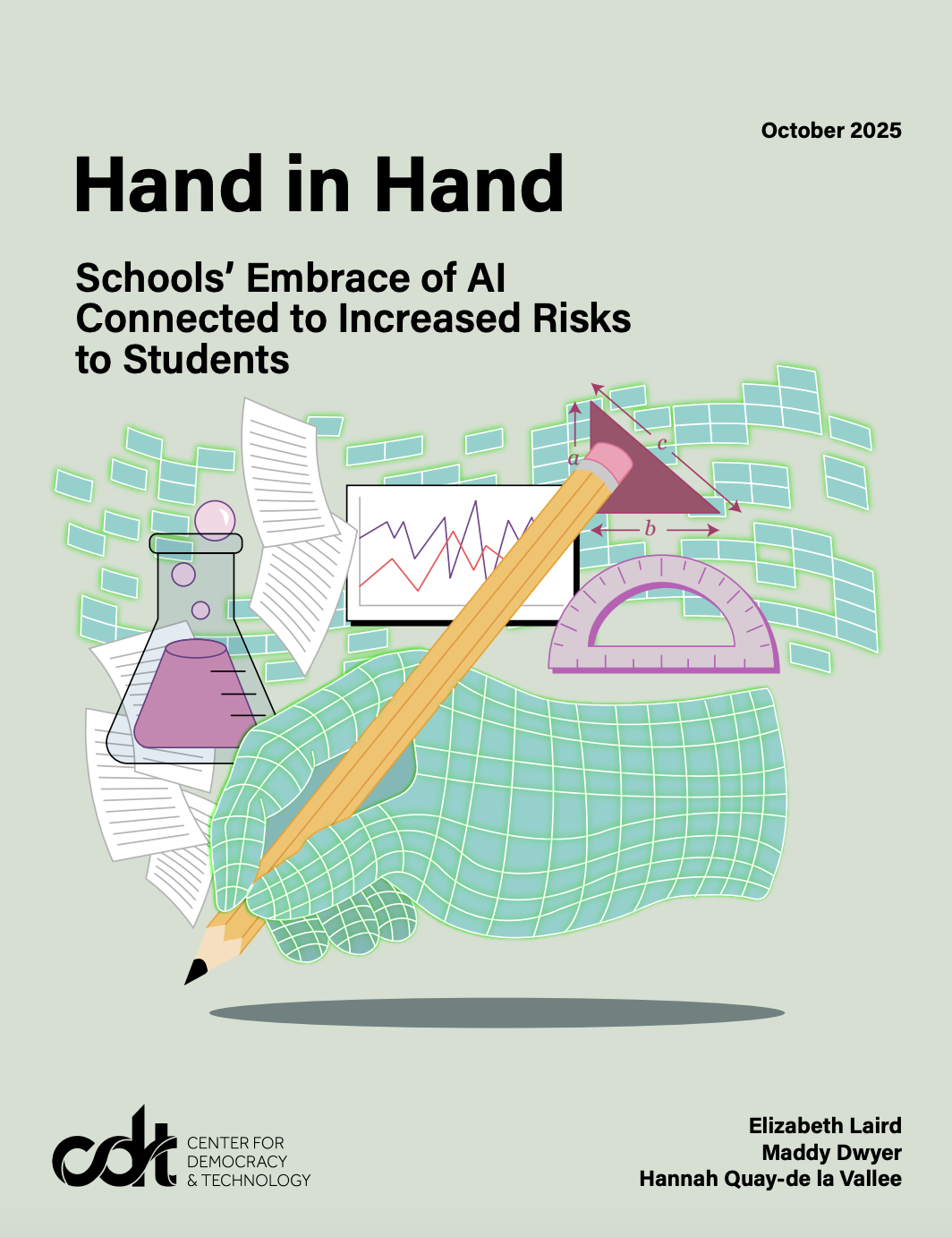
Aside from cognitive disengagement, four major risks are emerging from AI in the classroom:
Tech-enabled sexual harassment and bullying;
Troubling interactions between students and technology;
AI systems that do not work as intended; and
Data breaches and ransomware attacks.
Despite what Big Tech says, untested, unrestricted, harmful AI does not belong in our classrooms. Students deserve to learn in safe, supportive, and fully-engaging environments that support their cognitive and socioemotional development.
A recent report from the Brookings Institute concludes:
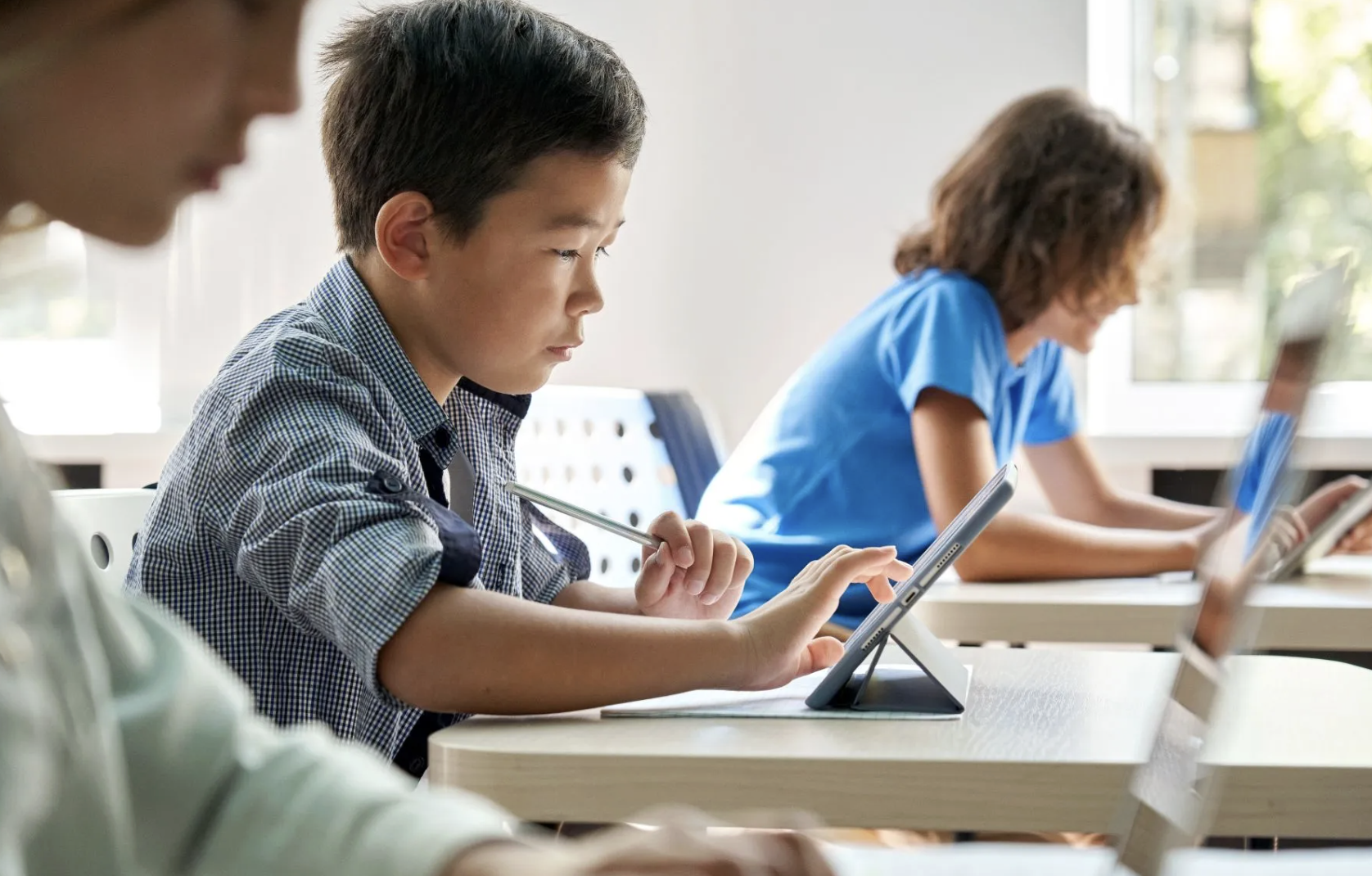
“At this point in its trajectory, the risks of utilizing generative AI in children’s education overshadow its benefits.”
— A new direction for students in an AI world: Prosper, prepare, protect | Brookings Institute
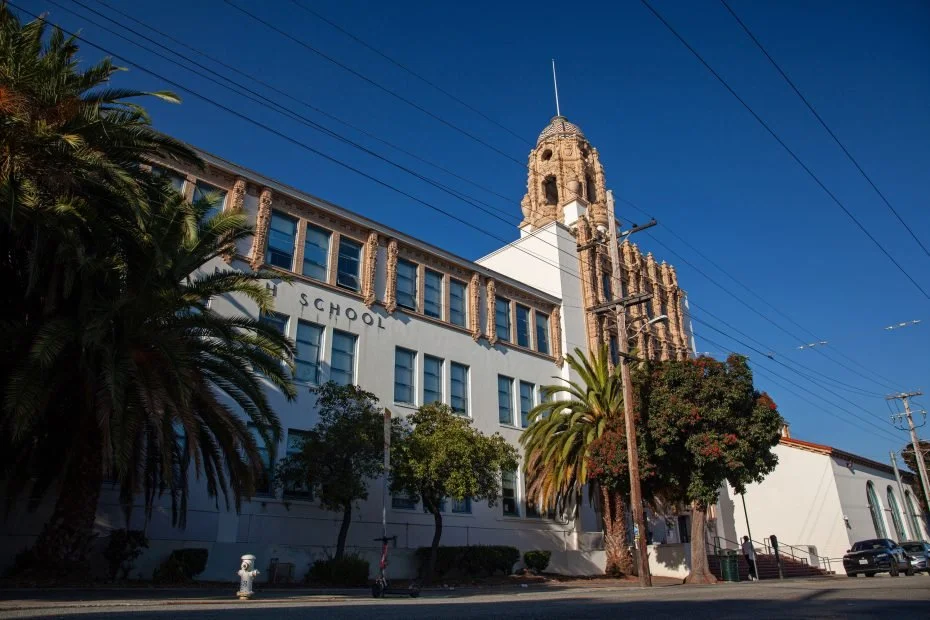
The risk to San Francisco Students is high. We must act now.
SFUSD recently signed a contract with OpenAI without consulting the school board, families, or education experts in our district. Here’s what you need to know:
This contract was enacted without public oversight. Without proper public supervision, private companies like OpenAI can store, analyze, and use student data behind closed doors. This includes potential data sharing with federal agencies like ICE.
We don’t know how much this contract will really cost, because the ‘cost’ section of the contract was redacted.
We don’t know what OpenAI is getting in return for having their tech in SFUSD. Profit-driven big tech companies do not provide ‘services’ without a clear motive.